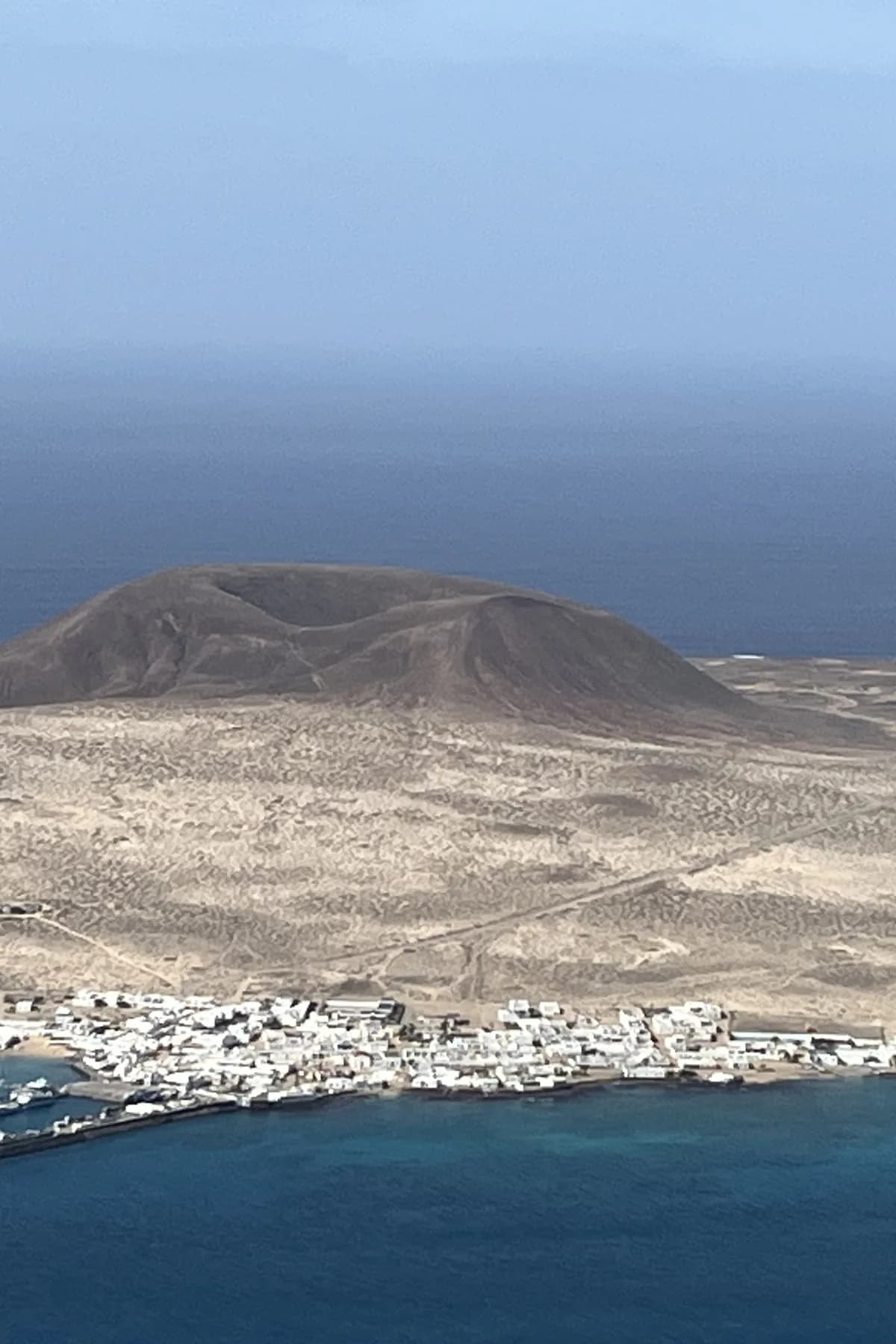
Look out from the Mirador del Río: that arm of sea and those islets you can see — La Graciosa, Montaña Clara, Alegranza and the rocks — form part of the largest marine reserve in Europe: some 70,000 hectares of ocean protected since 1995. Beneath the surface, the results show: curious groupers the size of a dog, schools of barracudas, rays, viejas (parrotfish) — the Canarians' favourite fish — and seabeds that seem to belong to another decade, when the sea was full. Above, the cliffs of the islets host spectacular seabird colonies. It is the larder and the jewel of the north: a piece of Atlantic managed on one simple idea — leave the sea in peace, and the sea pays you back many times over.
In 1995, around the Chinijo Archipelago — La Graciosa and its sister islets — an invisible frontier was drawn across the sea: some 70,700 hectares of ocean where industrial fishing does not enter and artisanal fishing is regulated with loving care. Thus was born the largest marine reserve in Europe, and three decades on it is the best demonstration of a law the old fishermen already knew: a protected sea produces more sea.
Why exactly here? Because this corner brings together exceptional conditions. The waters arriving from the north come cool and loaded with nutrients; the seabeds combine sandy plains, rocky grounds, caves and drop-offs plunging to great depths; and the uninhabited islets offer kilometres of virgin coastline. The result is a larder: species spawn and grow here that later repopulate the coasts of the whole island. Scientists call it the "reserve effect" — life spills over the boundaries of the protected area and benefits everyone around it.
Underwater, the difference shows within five minutes. Good-sized groupers that vanished from other coasts decades ago come over here to inspect divers with a proprietor's air. Colourful viejas (parrotfish) grazing among the rocks, schools of white seabream and salema, barracudas patrolling in formation, common stingrays and angelsharks on the sandy patches, lobsters in the crevices. The dive centres of the area repeat the same phrase from their visitors: "this is what the Mediterranean was like fifty years ago".
The riches continue above the surface. The cliffs of Alegranza and Montaña Clara host colonies of the pardela cenicienta (Cory's shearwater) — thousands of pairs that fill the northern nights each summer with their ghostly wailing — along with storm petrels, Eleonora's falcons arriving to breed, ospreys and the guirre (Egyptian vulture). That is why the whole area is also a natural park and one of the most important seabird zones in the eastern Atlantic.
Visiting comes with common-sense rules: you reach the Chinijo by authorised boat or on the La Graciosa ferry, recreational fishing is limited and anchoring is not a free-for-all — the permits protect precisely what you have come to see. In exchange, the reward: sailing the strait of El Río beneath the rampart of Famara, with the islets lined up towards the horizon, is one of the great postcards of the Atlantic. And knowing that all of it has been protected for thirty years makes it better still.