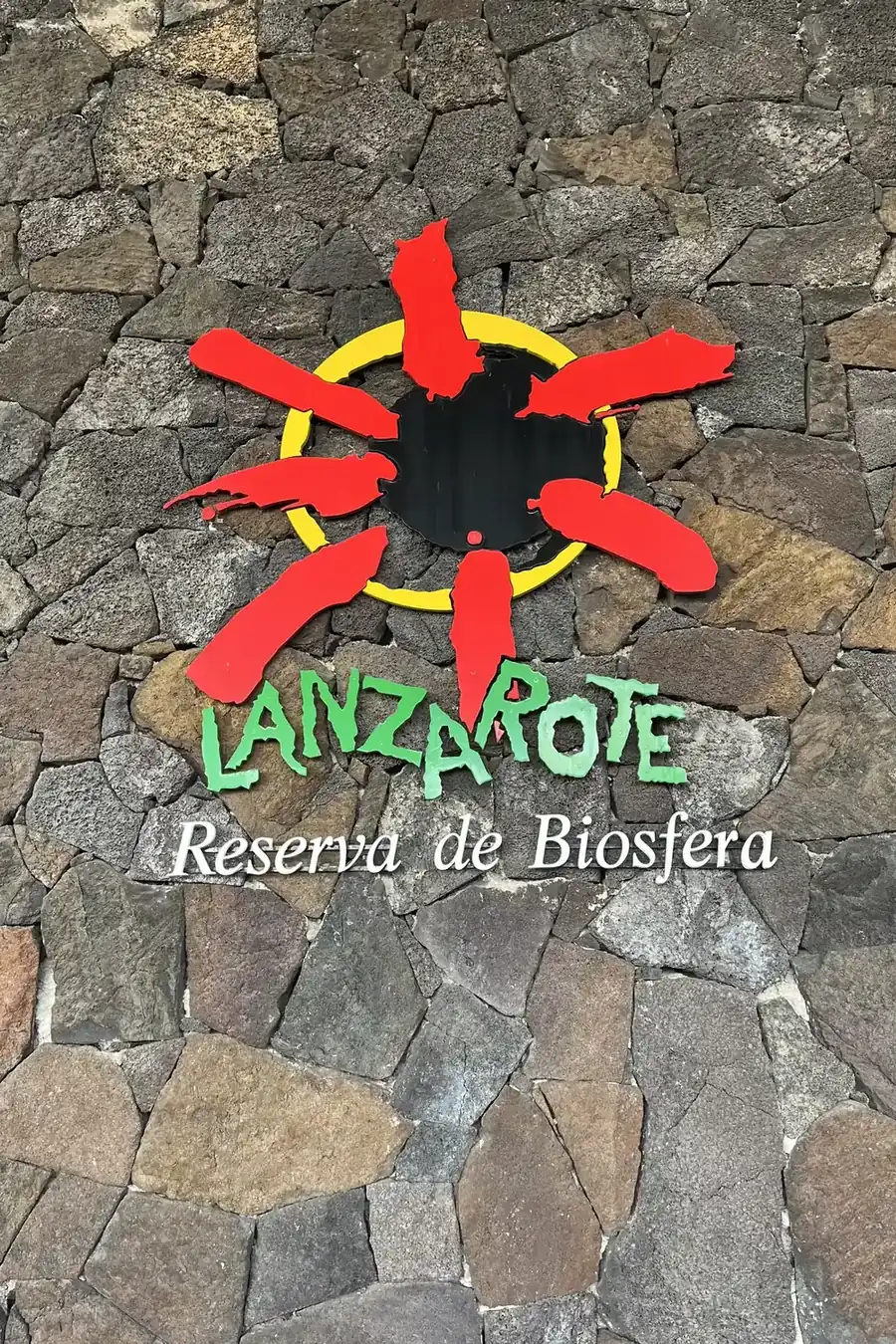
Behind every intact landscape in Lanzarote there are people at work. The entire island has been a Biosphere Reserve since 1993 — a world pioneer in achieving it with its population included — and a UNESCO Geopark since 2015. At sea, Europe's largest marine reserve protects the Chinijo, the Angel Shark Project studies and defends the angel shark, and the wildlife centres heal turtles and return them to the ocean. On land, every sigh of the volcano is monitored, shearwaters are rescued each autumn with citizens' help, and volunteers clean the coasts at weekends. Even art protects: the Museo Atlántico is a deliberate artificial reef. Want to join in? There are open beach cleans, responsible wildlife watching and projects grateful for every pair of hands. Looking after the island is a local sport — and it's open to new signings.
Conservation in Lanzarote is not a department: it is a tradition with an institutional architecture. It is worth getting to know the guardians — because their work is the reason the island you are visiting still looks like the one in the photographs.
The big framework was set by two UNESCO seals. In 1993, Lanzarote achieved something then unheard of: being declared a Biosphere Reserve in its entirety — not a park, but the whole island, with its 100,000 inhabitants of the time, its villages and its economy. It was the recognition of the experiment begun by César Manrique and the Cabildo: proving that tourism and territory could sign a peace treaty. In 2015 came the second seal, UNESCO Global Geopark status, which protects and explains the geological heritage — from the Túnel de la Atlántida to the hornitos — with signage, education and science. To these add the Timanfaya National Park (1974), the natural parks and a network of protected spaces covering a notable share of the island's territory.
At sea, the roll-call of guardians is just as serious. The Chinijo Archipelago Marine Reserve (card 14) has been demonstrating since 1995 that protection produces abundance. The Angel Shark Project — an international scientific collaboration with a working base in these waters — tags, counts and studies the angelotes to save the most threatened species in the European Atlantic (card 10); its data, much of it contributed by dive centres and volunteer divers, guides protection across Europe: citizen science in its purest form. The wildlife recovery centres treat dozens of turtles injured by plastics and nets every year (card 12) and return them to the sea, tagged. And the Museo Atlántico (card 44) adds the poetic piece: a museum designed to become a reef.
On land and in the air, the list continues. The Instituto Geográfico Nacional and INVOLCAN watch the volcano with permanent sensor networks (card 18). Every autumn, the shearwater rescue campaign mobilises institutions and residents — informed tourists included (card 59) — to return the dazzled birds to the sea. Local associations organise coastal and seabed clean-ups open to volunteers; the fight against plastic and the micro-beaches of marine litter is constant — the Atlantic delivers its own and half the world's. And the Cabildo keeps alive the bravest discussion of all: how much growth fits into 845 km² — a debate Lanzarote opened for the world of tourism decades ago.
Can a visitor do more than simply not get in the way? Yes, and it's easy: sign up for a beach clean (they're announced on local social media), choose wildlife-watching trips flying the "Barco Azul" blue flag (card 11), visit the centres — every ticket to the CACT sites and protected spaces funds conservation —, report injured wildlife to 112 and pass on what you've learnt. The island has spent half a century proving that caring is profitable, beautiful and contagious. Let yourself be infected: it's the only souvenir that improves the destination.